
Leopard Spotted Inside Bhanwartank Tunnel, Train Slows Down | Viral Video
India/Bhanwartank News: Bhanwartank A leopard was spotted walking along the railway tracks inside the Bhanwartank Tunnel on the Bilaspur-Katni railway line, prompting the locomotive crew to slow down and maintain a safe distance from the animal. The unusual wildlife encounter was captured on video from the locomotive and has since attracted attention on social media.
The incident reportedly took place in the Khongsara-Bhanwartank section, a forested and hilly stretch known for wildlife movement. According to reports, the locomotive pilot noticed the leopard ahead on the railway tracks and immediately reduced the train’s speed.
The decision gave the animal enough time to move away from the railway corridor, helping prevent a potentially dangerous encounter between the train and the leopard.
Leopard Spotted Walking on Railway Tracks-The video recorded from the locomotive shows the leopard calmly walking between the railway tracks inside the tunnel while the train follows from behind at a significantly reduced speed. Rather than accelerating toward the animal, the train crew maintained a safe distance and allowed the leopard time to move away from the tracks.
The animal can be seen continuing along the railway line before eventually leaving the railway corridor and disappearing into the surrounding forest. The incident highlights the importance of caution when operating trains through forested areas where wild animals can sometimes enter or cross railway tracks.
Leopard Spotted Train Crew Slows Down After Leopard Sighting-The locomotive pilot reportedly acted promptly after spotting the leopard on the track. The train’s speed was reduced to minimize the risk of a collision and to give the animal an opportunity to leave the railway line.
Wildlife encounters along railway corridors can create difficult situations for both train crews and animals. A moving train requires considerable distance to stop, making early detection and speed control particularly important in forested sections. In this case, the reduced speed helped create a safer situation as the leopard continued walking ahead of the locomotive.
The incident also demonstrates why railway staff operating through forest regions need to remain alert, particularly in areas where wildlife activity is regularly observed.
Leopard Spotted Bhanwartank Tunnel Located in Forested Railway Stretch-The Khongsara-Bhanwartank section of the Bilaspur-Katni railway line passes through a hilly and heavily forested landscape. Such terrain provides natural habitat and movement corridors for several species of wildlife.
Animals including leopards and elephants may occasionally come close to railway tracks while moving through their natural habitat. Railway corridors passing through forests can therefore become potential points of interaction between wildlife and trains. These encounters can pose risks to animals as well as railway operations. The leopard sighting inside Bhanwartank Tunnel has once again drawn attention to the challenges involved in maintaining railway connectivity through wildlife-rich areas.
Leopard Spotted Viral Video Shows Leopard Walking Ahead of Train-The locomotive footage has circulated widely on social media, with viewers focusing on the unusual sight of a leopard walking between railway tracks inside a tunnel.

The video provides a rare glimpse of wildlife movement along an active railway corridor. It also shows how the train crew responded after noticing the animal. Such videos often generate significant public interest because encounters between trains and wild animals are relatively uncommon for passengers, even though railway staff working in forested regions may encounter wildlife from time to time.
The footage also highlights the importance of responsible wildlife monitoring and railway safety measures in forest areas.
Leopard Spotted News Wildlife Movement and Railway Safety-Railway lines passing through forests can present a complex challenge. Trains provide an important transportation link, while forests serve as essential habitats for wildlife. When animals enter railway corridors, the risk of accidents can increase, particularly if trains are travelling at high speeds or if visibility is limited.
Early detection, speed restrictions, monitoring and coordination between railway and forest authorities can help reduce such risks. In areas with frequent wildlife movement, authorities may use patrol teams, monitoring systems and other safety measures to identify animal activity near railway tracks.
Following the leopard sighting, forest officials reportedly increased monitoring and patrols in the area. Teams are also keeping track of wildlife movement around the railway corridor. The objective is to reduce the possibility of another encounter and improve safety for both wildlife and railway operations.
Leopard Spotted in tunnel Why the Leopard Sighting Matters-The incident is significant because it demonstrates the close interaction that can sometimes occur between railway infrastructure and wildlife habitats.
The leopard was able to move through the tunnel and eventually leave the railway corridor without a reported collision. The train crew’s decision to slow down played an important role in allowing the animal to move away safely. For railway authorities, such incidents can provide useful information about wildlife movement patterns and help identify sections where additional monitoring may be required.
For wildlife conservation efforts, preventing animal-train collisions is an important part of protecting species that live in or travel through forested landscapes.
Leopard Spotted in tunnel Details of the Incident
- Animal spotted: Leopard
- Location: Bhanwartank Tunnel
- Railway section: Khongsara-Bhanwartank
- Railway line: Bilaspur-Katni
- Incident: Leopard walking on railway tracks
- Train response: Locomotive crew reduced speed
- Video: Recorded from the locomotive
- Outcome: Leopard moved away from the railway corridor
- Follow-up: Wildlife monitoring and patrols reportedly increased
FAQs -Leopard Spotted railways tunnel Bhanwartank
1. Where was the leopard spotted?
The leopard was reportedly spotted walking along the railway tracks inside Bhanwartank Tunnel in the Khongsara-Bhanwartank section of the Bilaspur-Katni railway line.

2. Why did the train slow down?
The locomotive pilot reportedly noticed the leopard ahead on the tracks and reduced the train’s speed to avoid a possible collision and give the animal time to move away.
3. Was the leopard hit by the train?
Reports about the incident indicate that the leopard moved away from the railway corridor and disappeared into the surrounding forest. No collision was reported in the information available about the incident.
4. Where is Bhanwartank Tunnel?
Bhanwartank Tunnel is located on the Bilaspur-Katni railway route in a forested and hilly region associated with the Khongsara-Bhanwartank section.
5. Is wildlife movement common in this area?
The Khongsara-Bhanwartank stretch passes through a densely forested landscape where wildlife movement can occur. Animals may sometimes approach or cross railway corridors.
6. Is the leopard video viral?
Yes. Footage recorded from the locomotive showing the leopard walking along the railway tracks has circulated widely on social media and attracted public attention.
7. What safety measures can reduce wildlife-train collisions?
Speed control, wildlife monitoring, regular patrols, early detection and coordination between railway and forest authorities can help reduce the risk of wildlife-train collisions in forested areas.
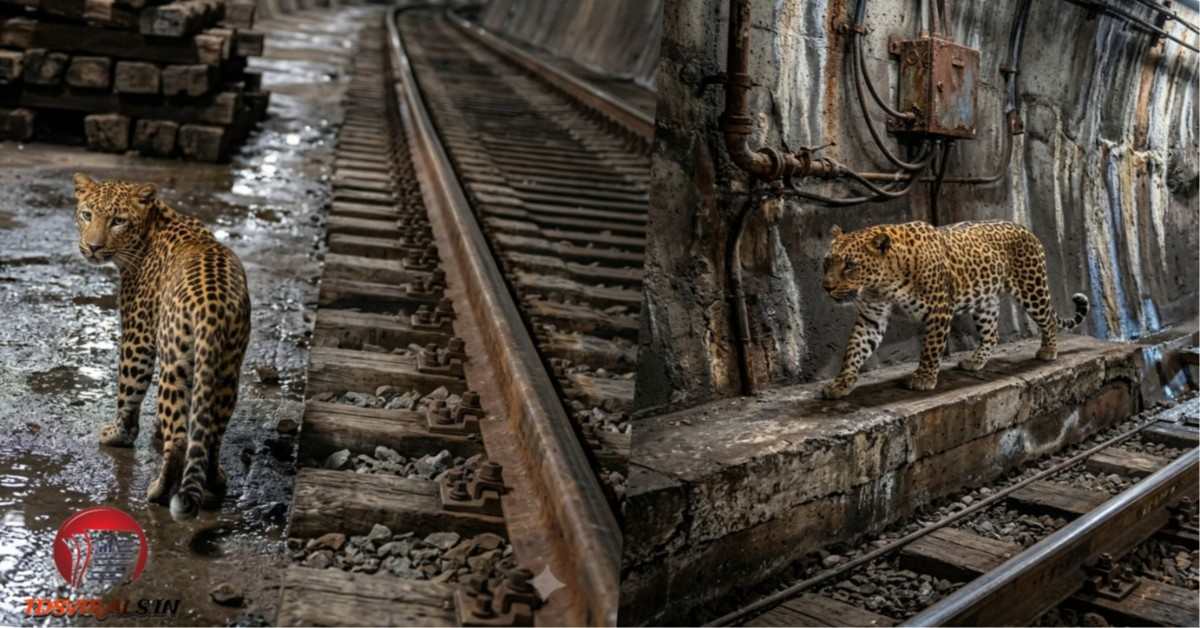
Leopard Spotted in tunnel Bhanwartank Indian- The leopard spotted inside Bhanwartank Tunnel incident has highlighted the challenges of railway operations in forested and wildlife-rich regions. The train crew’s decision to slow down after spotting the animal helped create enough time and distance for the leopard to leave the railway corridor.
Leopard Spotted tunnel news – The viral footage has also renewed attention on wildlife railway safety and the need for continued monitoring of animal movement around railway tracks. Such measures can help protect wildlife while ensuring safer train operations through forested stretches.










 Home
Home
 Facebook
 Twitter
 Instagram
 Call
Call
 WhatsApp