

Jaden Newman Leak Searches Trigger Wave of Clickbait and Scam Links
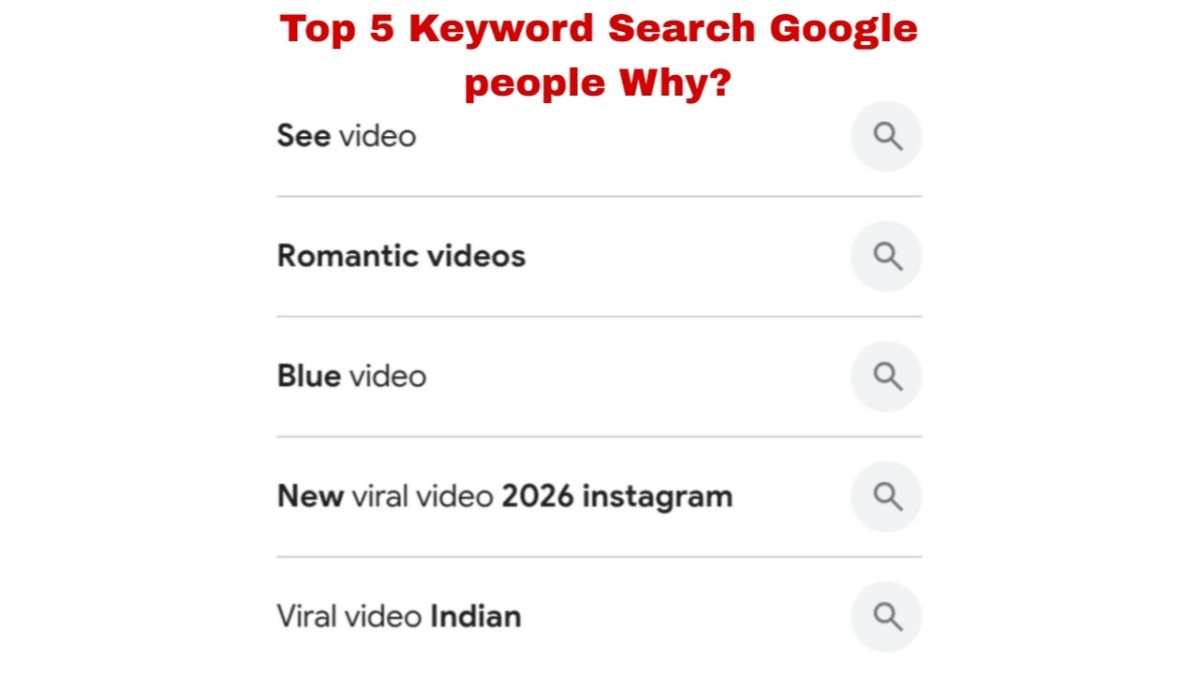
Jaden Newman viral video, Breaking News: Jaden Newman A surge in online searches surrounding an alleged private-media controversy involving basketball player and social media personality Jaden Newman has reportedly created an opportunity for scammers to circulate misleading posts, phishing pages and potentially harmful links.
Rather than providing access to any alleged private material, cybersecurity experts and digital-safety advocates warn internet users to be particularly careful with posts promising a “full video,” “exclusive clip” or direct download. The controversy highlights a broader cybersecurity problem: scammers frequently exploit rapidly trending names and viral search terms to attract users to websites designed to steal personal information, compromise accounts or distribute unwanted software.
Jaden Newman video Why Are Fake Links Spreading? When a celebrity-related topic suddenly becomes popular, scammers can quickly create fake social-media profiles, automated comments and misleading websites targeting people searching for the latest information.
These posts may use sensational headlines and promises of exclusive content to encourage users to leave trusted platforms. In many cases, the destination website has little or no connection to the claim advertised in the post. Instead, visitors may encounter aggressive advertising, fake verification screens, suspicious downloads or requests for login information.
Jaden Newman video Users should therefore avoid searching for or sharing alleged private content and should rely on reputable news sources for verified information.
Phishing Is a Major Risk One of the biggest dangers associated with viral scam links is phishing. Jaden Newman A fraudulent website can be designed to resemble a legitimate social-media login page, email service or other familiar platform. It may ask visitors to enter a username, password, phone number or other personal information.
If users submit those details, scammers may attempt to gain unauthorized access to their accounts. A simple rule can help: never enter your password on a website reached through an unexpected social-media link. If a page asks you to “verify your age,” “unlock a video” or “confirm your account” before continuing, users should close the page rather than providing personal information.
Jaden Newman video Malware and Suspicious Downloads – Another risk comes from websites that claim users need a special video player, browser extension or application to view content.
Downloading unknown files can expose devices to malware or other unwanted software. Users should never install software simply because a suspicious website claims it is required to watch online content. Keeping the operating system, browser and security software updated can reduce exposure to known security vulnerabilities. Users should also avoid opening unexpected files downloaded from unfamiliar websites.

Fake Giveaways, Subscription Traps and Pop-Ups Jaden Newman video viral – Scam pages can also use aggressive advertising techniques to generate revenue from visitors. Some websites may repeatedly redirect users, display fake warnings or encourage them to sign up for services they did not intend to purchase. Others may attempt to persuade visitors to enable browser notifications. Once permission is granted, unwanted notifications can continue appearing on the device.
If a website behaves suspiciously, the safest option is to close the page rather than interacting with pop-ups or downloading anything.
Jaden Newman video How to Protect Your Social Media Accounts –Users can take several simple steps to improve their digital security:
- Enable multi-factor authentication (MFA) on important accounts.
- Use unique, strong passwords for different services.
- Do not reuse your social-media password on other websites.
- Avoid clicking shortened or suspicious links from unknown accounts.
- Check the website address carefully before entering login details.
- Keep your phone, browser and security software updated.
- Review account login activity and remove unfamiliar sessions.
- Report scam accounts and suspicious posts to the relevant platform.
If someone has already entered their password on a suspicious website, they should immediately change that password from the official service and enable MFA where available.
What About the Alleged Jaden Newman Content? Unverified claims circulating online should not automatically be treated as authentic. Users should avoid downloading, saving or sharing alleged private material.
Sharing intimate content without the subject’s consent can cause serious harm and may also have legal consequences depending on the circumstances and jurisdiction. The safest approach is to avoid the material entirely and focus on verified reporting about the cybersecurity risks surrounding the trend.

Jaden Newman video Takeaway for Internet Users – The Jaden Newman-related search trend demonstrates how scammers can turn viral online controversies into cybersecurity traps.
A sensational headline does not mean a link is legitimate. Users should be especially cautious when a post promises exclusive or private material and immediately asks them to click an unfamiliar link, enter credentials or download software. Never trade your personal information or account security for access to unverified viral content.
FAQs – Jaden Newman video
Is the Jaden Newman leak claim verified?
Online claims about alleged private material should not be treated as verified without reliable confirmation from trustworthy sources. Users should avoid spreading unverified allegations.

Are links claiming to provide a full video safe?
No suspicious or unverified link should be assumed to be safe. Such pages can be used for phishing, unwanted downloads, deceptive advertising or other scams.
What should I do if I clicked a suspicious link?
Close the page immediately. Do not download files or enter passwords. If you entered account credentials, change the password through the official website and enable multi-factor authentication.
How can I identify a phishing website?
Check the website address carefully, avoid unexpected login requests and be suspicious of pages demanding personal information or downloads to access sensational content.
Should I share alleged private videos?
No. Users should not download, save or distribute alleged private material, particularly when its origin and consent status cannot be established.
Can viral celebrity searches be used by scammers?
Yes. Trending names and controversies can attract large search volumes, making them attractive targets for phishing campaigns, malicious advertisements and fraudulent websites.
Is this article providing a link to the alleged content?
No. This article does not provide, host or promote alleged private material. It focuses exclusively on cybersecurity risks, scam awareness and responsible online behavior.









 Home
Home
 Facebook
 Twitter
 Instagram
 Call
Call
 WhatsApp