
Marwadi viral video Download links circulating online may be phishing traps. Learn how fake links steal data, spread malware and how to stay safe
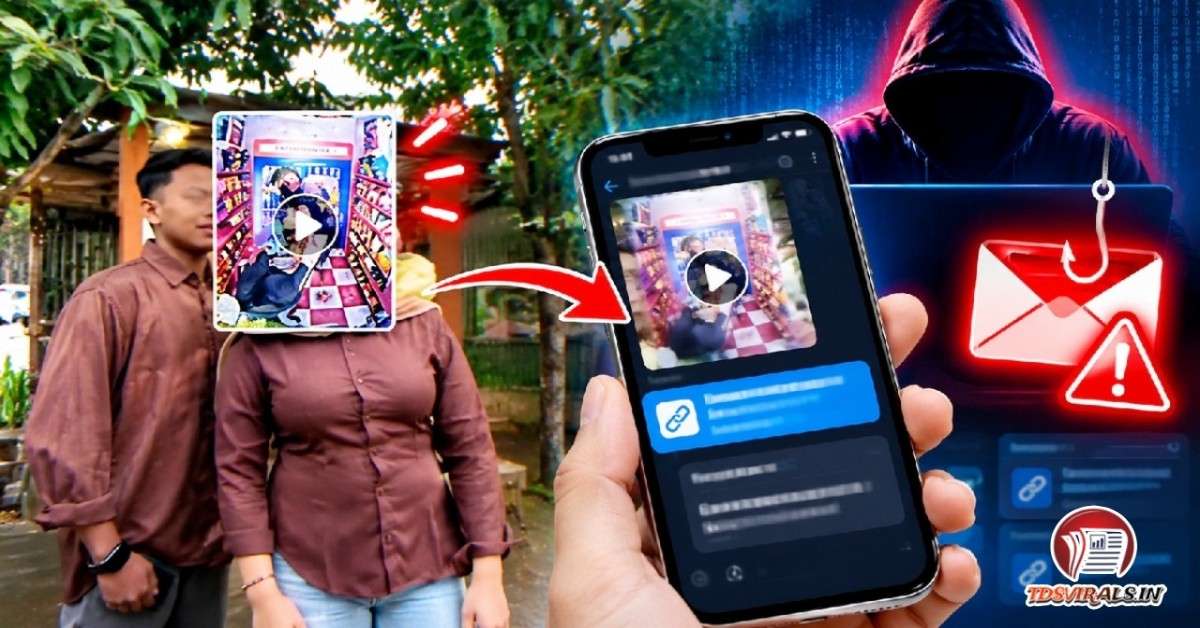
Marwadi Viral Video News: Social media users are being warned about suspicious links circulating online under claims that they provide access to a purported “Marwadi viral video.” Cyber-safety patterns indicate that such links can be used as phishing bait to trick people into visiting fraudulent websites, sharing personal information or downloading potentially harmful files.
There is currently no independently verified evidence establishing an authentic full video matching the material being circulated online. Users should therefore avoid clicking unknown links promoted through social media posts, private messages or forwarded messages. The primary concern is not the viral claim itself but the possibility of online fraud, credential theft, malware and identity theft.
Marwadi Viral Video 2026 How the Fake Viral Video Scam Works-Phishing campaigns often use trending topics to attract clicks. Scammers may post screenshots, short clips or sensational messages claiming that a “full video” is available through an external website.
After clicking, a user may be redirected through several pages before reaching a website that appears to be a legitimate video platform, social-media login page or file-sharing service. Such pages may ask visitors to:
- Enter an email address or password
- Provide personal information
- Complete a suspicious verification form
- Download an unknown application or file
- Allow notifications or browser permissions
- Share the link with other users
These tactics can expose users to credential theft, malware infections and financial fraud.
Marwadi Viral Video | Why Trending Searches Can Become Scam Targets-Cybercriminals frequently take advantage of public interest in trending stories. A sensational search term can generate thousands of searches within a short period, creating an opportunity for scammers to publish fake pages designed to capture traffic.
The same technique can be used with celebrity rumors, breaking news, fake giveaways, financial offers and other trending subjects. Users should remember that a high number of social-media posts does not prove that a claim or website is genuine.
Marwadi Viral Video Warning Signs of a Phishing Website, People should be especially careful when a website:

- Promises exclusive or “full” content through an unfamiliar domain.
- Immediately asks for login credentials.
- Requires an unknown app or file download.
- Uses excessive pop-ups or automatic redirects.
- Claims that a user must complete a survey before continuing.
- Uses a website address that imitates a familiar brand.
- Creates urgency by saying the content will disappear soon.
A legitimate-looking design does not necessarily mean that a website is trustworthy.
What to Do If You Clicked a Suspicious Link-If you accidentally opened a suspicious page, close it and do not provide additional information.
If you entered a password, change that password through the official website or app and enable two-factor authentication where available. If you downloaded an unfamiliar file, do not open it and use updated security software to check the device.
Users should also monitor important accounts for unusual login attempts or other suspicious activity. If financial or personal information was submitted to a fraudulent website, contact the relevant service provider or financial institution through its official contact channel as soon as possible.
Marwadi Viral Video Do Not Share Suspicious Links-Forwarding a suspicious link can expose friends and family members to the same scam. Users should avoid reposting or sharing links simply because they claim to contain trending content.
Instead, suspicious posts can be reported through the relevant social-media platform and, where appropriate, through official cybercrime reporting channels.
Cybersecurity Advice for Social Media Users-The safest approach is to verify information through established news organizations and official sources rather than relying on anonymous posts. Users should also:
- Keep their operating system and security software updated.
- Use unique passwords for important accounts.
- Enable two-factor authentication.
- Avoid entering passwords on unfamiliar websites.
- Never install software simply because a webpage demands it.
- Check website addresses carefully before logging in.
- Be cautious with shortened or unfamiliar links.
Marwadi Viral Video – The online claims surrounding the alleged “Marwadi viral video” should not be treated as verified simply because they are being widely shared. More importantly, links promising sensational or private content can be used as phishing and malware traps.


Users should avoid suspicious links, never provide credentials to unfamiliar websites and report potentially fraudulent content. Online curiosity should never come at the cost of account security or personal data.
FAQs – Marwadi Viral Video 2026
Q1. Are the viral video links genuine?
There is no independently verified evidence establishing an authentic full video matching the material circulating online. Suspicious links should therefore be treated as potential phishing attempts.
Q2. What is a phishing scam?
Phishing is a form of online fraud in which attackers use deceptive messages or websites to trick people into revealing passwords, financial information or other sensitive data.
Q3. Can clicking a suspicious link be dangerous?
Yes. Depending on the website, users may encounter fraudulent login pages, malicious downloads, deceptive forms or other security threats.
Q4. What should I do after opening a suspicious website?
Close the page, do not enter personal information, and avoid downloading anything it asks you to install. If you entered credentials, change the affected password through the official service.
Q5. Should I share viral video links with friends?
No. Sharing suspicious links can expose other people to phishing, malware or fraudulent websites.
Q6. How can I protect my online accounts?
Use strong, unique passwords, enable two-factor authentication, keep devices updated and avoid logging into accounts through links received from unknown sources.
Q7. Where should suspicious cybercrime be reported?
Use the official cybercrime reporting mechanism available in your country and report suspicious content through the platform where you encountered it.










 Home
Home
 Facebook
 Twitter
 Instagram
 Call
Call
 WhatsApp