

Tds Virals Airline Update | Global Aviation Crisis –The global aviation industry is facing a major disruption as escalating tensions in the Middle East force airlines to cancel flights, reroute aircraft, and increase fares.
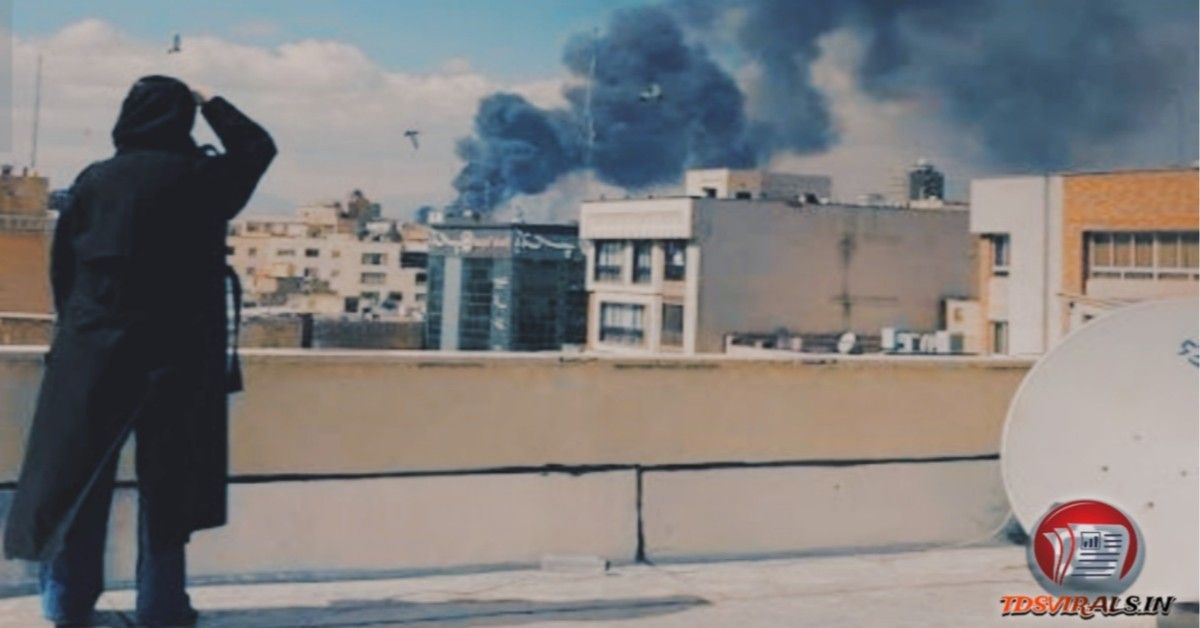
The ongoing crisis linked to the intensifying Iran-related conflict is severely impacting key aviation hubs, including Dubai, Riyadh, Tel Aviv, and Beirut.
According to recent reports from Reuters and CNBC, airlines worldwide are struggling to maintain operations amid rising fuel costs, airspace restrictions, and growing safety concerns.
Airline update – Flight Cancellations Surge Across Major Airlines Several leading global carriers have announced widespread flight suspensions:
1.Air France has cancelled flights to Tel Aviv and Beirut until April 4, while services to Dubai and Riyadh have been halted until March 31.
2.KLM has also suspended multiple routes, including departures from Dubai.
3.European airline groups, including Lufthansa and its subsidiaries, have paused operations to key Middle Eastern destinations until at least May 31.
Airline update In Asia, airlines are taking even stricter measures. Some carriers have suspended flights to Gulf cities for extended periods, prioritizing passenger safety and operational stability.
The cancellations are not only affecting regional travel but are also disrupting international connections between Europe, Asia, and North America.

Airline – Middle East Airspace Under Pressure The Middle East serves as a crucial transit corridor for global aviation. However, the current conflict has made several air routes unsafe or restricted.
Airlines are now forced to reroute flights, often taking longer paths that increase fuel consumption and operational costs. These detours are particularly affecting long-haul routes between Europe and Asia.
Experts warn that continued instability could further strain aviation networks and delay global travel recovery.
Fuel Prices Soar, Airlines Raise Fares
One of the biggest challenges airlines are facing is the sharp rise in jet fuel prices. As geopolitical tensions increase, oil prices have surged, directly impacting airline expenses.
Reports from CNBC highlight that:
Budget airlines are losing their cost advantage
Full-service carriers are increasing ticket prices
Additional fuel surcharges are being introduced
Airline update – This creates a difficult situation for airlines: raising fares may reduce demand, while keeping prices low could lead to financial losses.
Passengers Face Delays, Higher Costs, and Uncertainty
Travelers worldwide are experiencing the direct impact of the crisis:
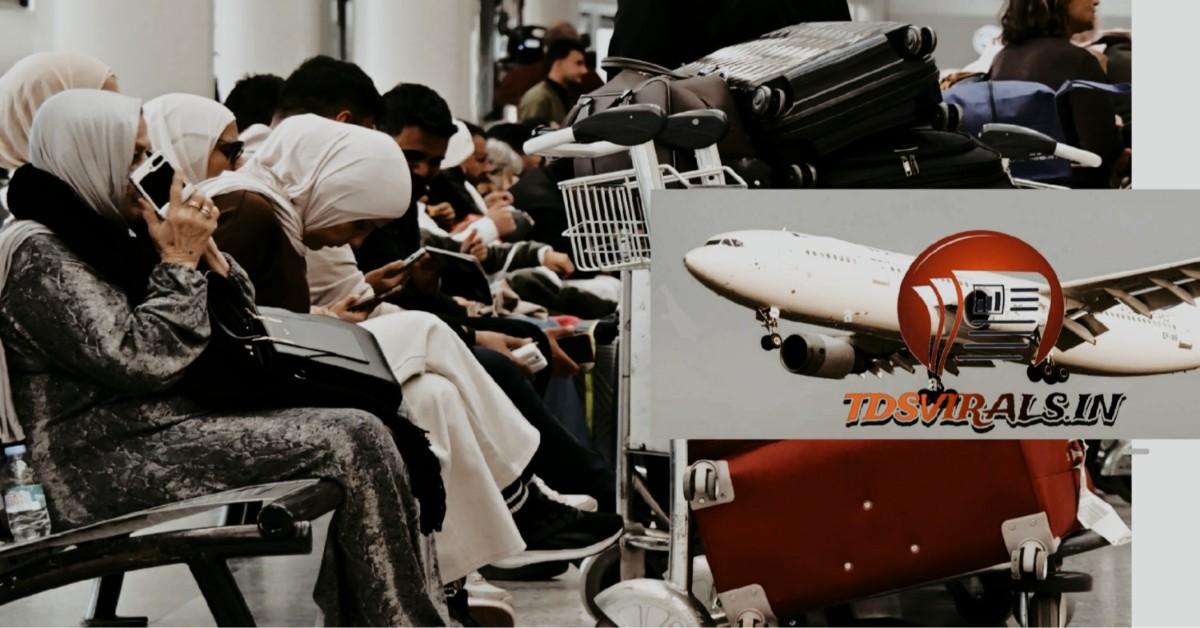
Flight delays and last-minute cancellations Increased ticket prices Limited seat availability on alternative routes Passengers traveling through major hubs like Hamad International Airport are advised to regularly check flight updates and stay in contact with their airlines. Travel experts recommend:
Booking flexible tickets
Arriving early at airports
Monitoring airline notifications
Airline update – Global Airlines Adjust Strategies To cope with the ongoing crisis, airlines are adopting new strategies:

1. Capacity Cuts
Many carriers are reducing flight frequency to minimize risk and operational losses.
2. Route Diversification
Airlines are introducing alternative routes that avoid high-risk zones, even if they are longer.
3. Increased Focus on Europe
With Middle East routes affected, airlines are increasing flights to European destinations to balance demand.
4. Cost Management
Airlines are cutting operational costs and optimizing fuel usage wherever possible.
Economic Impact on Aviation Industry
The aviation sector, already recovering from past global disruptions, is now facing another major challenge.
Airline update-Industry analysts warn that:
Profit margins could shrink significantly
Smaller airlines may struggle to survive
Travel demand could decline if fares continue rising
The ripple effect is expected to impact tourism, trade, and global business travel.
Security Concerns Add to Crisis
In addition to geopolitical tensions, aviation security concerns are also rising. Reports of incidents such as threats onboard flights are adding to passenger anxiety and airline challenges. Authorities and aviation regulators are increasing security measures to ensure passenger safety.
Airline update | What Lies Ahead?
The future of global air travel largely depends on how the Middle East situation evolves. If tensions escalate further, more flight cancellations and fare increases are expected. However, if diplomatic efforts succeed in stabilizing the region, airlines may gradually resume normal operations.
For now, uncertainty remains high, and both airlines and passengers must adapt to rapidly changing conditions.
Airline update
The ongoing Middle East conflict has triggered a significant disruption in global aviation, leading to flight cancellations, rising ticket prices, and operational challenges for airlines.
With major carriers like Air France and KLM already scaling back services, and passengers facing uncertainty worldwide, the aviation industry is entering a critical phase.
Travelers are advised to stay informed, plan ahead, and remain flexible as the situation continues to evolve.







 Home
Home
 Facebook
 Twitter
 Instagram
 Call
Call
 WhatsApp