
US-Canada Tariff War Escalates as Prices Could Rise 2026
WASHINGTON, D.C. (United States) News — The escalating US-Canada tariff war is putting pressure on businesses, farmers and consumers on both sides of the border, with some companies warning that higher import costs could eventually translate into increased prices for shoppers.
The latest trade tensions have intensified after the United States imposed new tariffs on Canadian goods, prompting Canada to respond with retaliatory tariffs. The dispute is now affecting major sectors including dairy, alcohol, lumber, wood products and metals. For American retailers, the concern is that higher tariffs could increase the cost of imported products and force businesses to adjust their prices.
Kristin Roehmer, owner of Kidsop Toys and Books in Scottsdale, Arizona, said her business is preparing for possible price increases by purchasing inventory in advance. She indicated that products currently selling for around $24.99 could potentially become more expensive if tariff-related costs are passed down the supply chain.
Canadian Farmers and Businesses Also Face Pressure US-Canada Tariff War The economic impact is not limited to the United States. Canadian businesses and agricultural producers are also concerned about the consequences of retaliatory tariffs. Richard Ozero, owner of Good Morning Honey in Canada, said he does not want American beekeepers or farmers to suffer because of the trade dispute. He argued that businesses on both sides need a stable and functioning market rather than escalating trade restrictions.
The situation highlights the interconnected nature of the US and Canadian economies. Companies that depend on cross-border trade can face higher costs when tariffs are introduced, potentially affecting supply chains, investment decisions and consumer prices.
US-Canada Tariff War Which Industries Are Most Affected? Several industries are particularly exposed to the latest tariff measures. Key sectors affected include:
- Dairy products
- Alcohol and beverages
- Lumber and wood products
- Steel and other metals
- Agricultural goods
- Retail products
- Cross-border manufacturing
Tariffs can increase the cost of imported goods because companies may have to pay additional duties when products cross the border. Businesses then have to decide whether to absorb those costs, reduce margins or pass some of the increase on to consumers. Economists and market analysts are closely watching whether the latest measures could create broader inflationary pressure.
US-Canada Tariff War Canada Trade Dispute Could Influence US Midterm Elections-The tariff dispute is also becoming a political issue ahead of the US midterm elections.
Rodney Lake, director of George Washington University’s Investment Institute, said the economic impact could be particularly significant in states and industries that rely heavily on trade with Canada. Maine, Michigan and Ohio count Canada among their most important trading partners, while Texas and Georgia also have significant trade relationships with Canada.

Canada is the largest export customer for 26 US states and the leading source of imports for 22 states, according to the figures cited in the report. That means the consequences of higher tariffs could extend well beyond America’s northern border states.
Why the Trade War Matters for Consumers US-Canada Tariff War For consumers, the biggest concern is whether tariffs eventually result in higher retail prices. When imported goods become more expensive, businesses may increase prices to protect their profit margins. The effect can vary considerably depending on the product, supply chain and ability of companies to find alternative suppliers.
Economists also watch tariffs closely because prolonged trade restrictions can affect inflation, business investment, employment and economic growth. However, the final impact will depend on how long the tariff measures remain in place and whether Washington and Ottawa eventually reach a new trade agreement.
US-Canada Tariff War Susan Collins Pushes for Trade Negotiations in Maine, Republican Senator Susan Collins is facing a competitive reelection campaign. She has been among the Republicans who have criticized aspects of the Trump administration’s trade policy toward Canada.
Collins has also urged the administration to reopen trade negotiations, reflecting concerns about the potential economic impact on Maine businesses and consumers. Analysts believe Canada’s economic leverage could become more politically important as the US midterm elections approach.
For now, neither Washington nor Ottawa appears ready to completely back down, leaving businesses and consumers watching closely for the next development in the US-Canada trade dispute.
US-Canada Tariff War What Happens Next?
The future of the tariff dispute could depend on whether the two governments return to negotiations. A reduction in tariffs could ease pressure on businesses and supply chains, while further escalation could increase uncertainty for companies involved in cross-border commerce.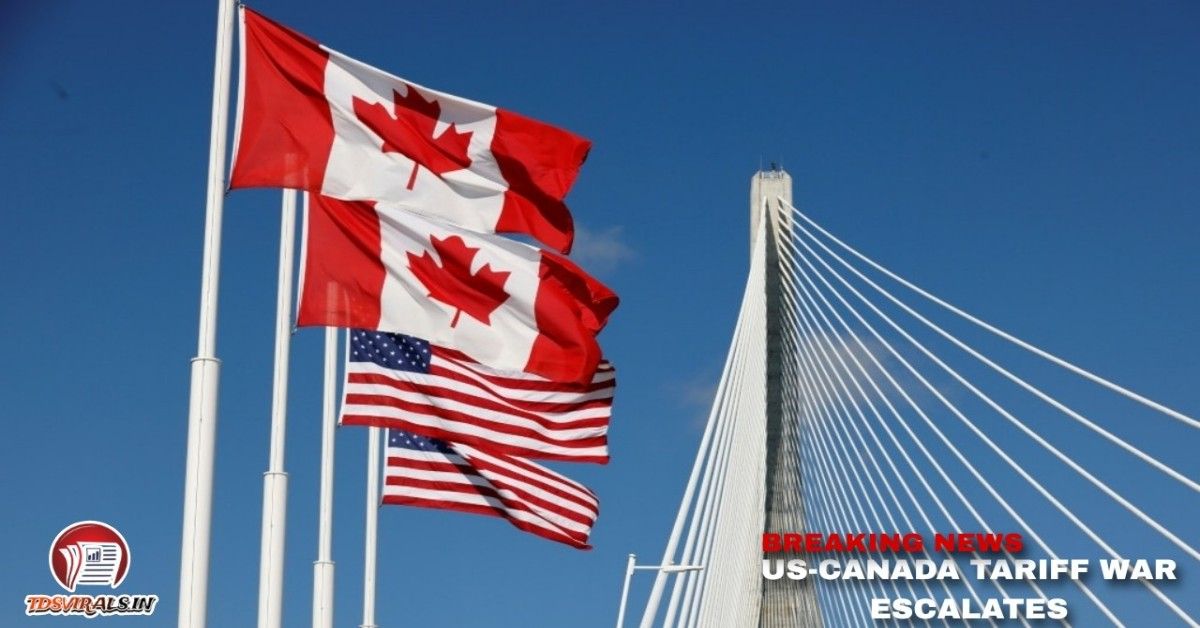 As the dispute continues, businesses on both sides of the border are preparing for potentially higher costs while politicians face growing pressure to protect consumers, farmers and local industries.
FAQ — US-Canada Tariff War September 2026
1. What is the US-Canada tariff war?
The US-Canada tariff war refers to the escalating trade dispute in which the United States imposed tariffs on certain Canadian goods and Canada responded with retaliatory tariffs.
2. Why are US tariffs on Canada affecting consumers?
Tariffs can increase the cost of imported products. Businesses may absorb the additional costs or pass some of them on to consumers through higher retail prices.

3. Which industries are most affected by the tariffs?
Major affected sectors include dairy, alcohol, lumber, wood products, metals, agriculture and cross-border manufacturing.
4. Could US-Canada tariffs increase inflation?
They could add price pressure in some sectors, particularly if higher import costs are passed through supply chains to consumers. The overall inflationary impact depends on the size and duration of the tariffs.
5. Why is Canada important to the US economy?
Canada is a major trading partner for the United States, with substantial cross-border trade involving goods, services, agriculture, energy and manufacturing.
6. Could the tariff dispute become a US midterm election issue?
Yes. The economic effects of tariffs could become an important political issue, particularly in states and industries that have strong trade relationships with Canada.
7. Are American businesses preparing for higher prices?
Some businesses are reportedly purchasing inventory in advance and reviewing pricing strategies in anticipation of potentially higher import costs.
8. Will the US and Canada return to trade negotiations?
The situation remains subject to negotiations and policy changes. A future agreement or reduction in tariffs could ease pressure on businesses and consumers.
TdsVirals.in will continue to monitor major developments related to US tariffs, Canada trade policy, inflation and the global economy.












 Home
Home
 Facebook
 Twitter
 Instagram
 Call
Call
 WhatsApp