
African Development Bank 2026 Meetings Spotlight Urgent Financial Reforms Across Africa
TdsVirals Financial Update – The African Development Bank Group is placing Africa’s financial future at the center of global economic discussions during its 2026 Annual Meetings, as policymakers, banking leaders, regulators, and development finance experts gather to examine how the continent can strengthen and modernize its financial architecture.
Africa financial architecture In a major knowledge session linked to the flagship African Economic Outlook (AEO) 2026 report, high-level participants discussed the growing urgency for Africa to build more resilient, inclusive, and integrated financial systems capable of mobilizing development finance at scale.
Africa financial architecture – The discussions come at a time when fragmented global markets, tighter financial conditions, geopolitical uncertainties, and rising debt pressures are affecting emerging economies worldwide. African leaders and financial institutions are increasingly seeking stronger domestic financial systems and regional financial integration to reduce dependence on external shocks and improve long-term economic stability.
Africa financial architecture – According to the thematic chapter of the African Economic Outlook 2026 report, Africa must accelerate reforms in its banking systems, capital markets, insurance sectors, regulatory institutions, and regional financial cooperation frameworks to unlock sustainable growth and investment opportunities.
Africa Financial architecture Under the Spotlight
The session focused on how African economies can strengthen financial institutions, improve regulatory coordination, deepen capital markets, and expand access to development finance. Experts stressed that stronger African financial systems are essential for funding infrastructure, industrialization, climate adaptation, digital transformation, and job creation.
The debate also emphasized the importance of giving African countries greater agency over their development priorities by reducing overreliance on external financing and improving domestic resource mobilization.
Several speakers highlighted that African financial integration remains uneven despite the progress made through regional economic blocs and continental initiatives such as the African Continental Free Trade Area (AfCFTA). Financial fragmentation continues to limit cross-border investment flows, access to affordable financing, and the efficiency of regional capital markets.
Participants called for stronger collaboration among central banks, development finance institutions, sovereign funds, and private investors to create a more interconnected and resilient financial ecosystem.
Global and African Financial Leaders Participate – Africa financial architecture, The high-level session brought together prominent figures from African and international financial institutions.

Panel 1 featured:
- Serge Ekué, President of the West African Development Bank (virtual participation)
- Abdullah KH Almusaibeeh, President of the Arab Bank for Economic Development in Africa
- Nobumitsu Hayashi, Governor of the Japan Bank for International Cooperation
- Manuel Moses, Chief Executive Officer of The African Trade & Investment Development Insurance (ATIDI)
- Anna Bjerde, Managing Director for Operations at the World Bank (virtual participation)
- Amadou Hott, Chair of the Africa Advisory Board at Vision International Investment Company
- Prof. Carlos Lopes, Honorary Professor at the Nelson Mandela School of Public Governance, University of Cape Town
Speakers in the first panel discussed the need for innovative financing mechanisms, risk-sharing solutions, and stronger public-private partnerships to accelerate investment across African economies.
Several participants stressed that development finance institutions must play a larger role in de-risking private investment and supporting strategic sectors including energy, transport, agriculture, and technology.
The session also highlighted the importance of expanding local currency financing and improving credit access for small and medium-sized enterprises (SMEs), which remain critical drivers of employment and economic activity across Africa.
Focus on Regional Integration and Regulatory Coordination Panel 2 concentrated on financial supervision, regulatory coordination, and regional financial integration. The second panel included:
- Boitumelo Mosako, Chief Executive Officer of the Development Bank of Southern Africa
- Dieudonné Fikiri Alimasi, First Deputy Governor of the Central Bank of Congo
- Kalidou Gadio, Co-Chair of the US Africa Practice at DLA Piper, USA
- Michel Dzombala, Deputy Governor of the Bank of Central African States (BEAC)
- Ngueto Tiraïna Yambaye, Managing Director and CEO of the African Guarantee and Economic Cooperation Fund (FAGACE)
- Nobumitsu Hayashi, Governor of the Japan Bank for International Cooperation
The session was moderated by Hassatou N’sele, Vice President for Finance and Chief Financial Officer of the African Development Bank Group.
Panelists discussed the challenges facing African banking supervision, financial regulation, and cross-border financial operations. They also examined how stronger coordination between regulators could improve financial stability and investor confidence.
Africa financial architecture – Experts warned that without deeper financial integration, Africa may struggle to mobilize the trillions of dollars needed to meet infrastructure goals, industrial development targets, and climate financing requirements over the next decade.

Africa financial architecture – Development Finance and Africa’s Economic Future, One of the strongest themes emerging from the discussions was the need to scale up development finance through African-led institutions and innovative financing structures.
Financial leaders argued that African economies must strengthen local financial markets to attract long-term investment while also improving governance, transparency, and institutional capacity.
Participants also pointed to the growing importance of digital finance, fintech innovation, and mobile banking in expanding financial inclusion across the continent. Many experts believe that technology-driven financial solutions could help bridge financing gaps and improve access to banking services for underserved populations.
The African Development Bank’s 2026 Annual Meetings are expected to shape future policy discussions on how Africa can strengthen its financial sovereignty, mobilize larger pools of capital, and create a more stable and integrated financial ecosystem.
Africa financial architecture – The findings and recommendations from the African Economic Outlook 2026 report are likely to influence financial reforms, investment strategies, and regional policy coordination efforts across African economies in the years ahead.
Africa financial architecture Update
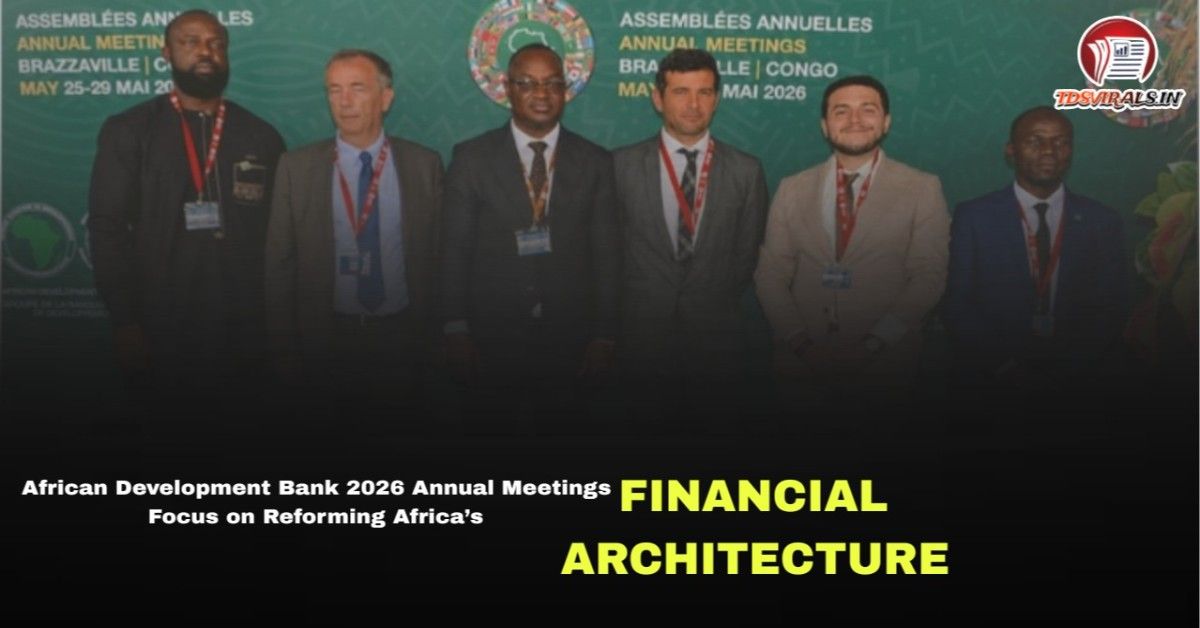
Africa financial architecture As global economic uncertainties continue to evolve, African policymakers and financial leaders are increasingly focused on building resilient financial systems that can support sustainable growth, reduce economic vulnerabilities, and drive inclusive development across the continent.









 Home
Home
 Facebook
 Twitter
 Instagram
 Call
Call
 WhatsApp